
For decades, the middle class represented financial security, opportunity, and the belief that hard work would lead to a comfortable life. If you earned a steady income, bought a home, and saved for retirement, you were considered to be living the “middle-class dream.” Today, that dream feels more difficult to achieve than ever before.
You may have noticed that even if your salary has increased over the years, your money doesn’t stretch as far as it once did. Grocery bills are higher, rent or mortgage payments consume a larger share of your income, healthcare costs continue to climb, and everyday essentials seem to become more expensive with every passing year. Many families are working harder than ever but still struggling to build savings or plan for the future.
So, why is the middle class struggling financially? The answer isn’t as simple as pointing to one economic problem. Instead, it’s the result of several interconnected factors that have developed over decades. Inflation, stagnant wages, rising housing prices, increasing debt, and changing job markets have all contributed to the financial pressure facing middle-income households.
Understanding these challenges can help you make better financial decisions while also giving you a clearer picture of the economic forces shaping everyday life.
What Does It Mean to Be Middle Class?
The term “middle class” is often used in conversations about the economy, but its meaning can vary depending on where you live. In general, middle-class households earn enough to cover their basic needs while also having some disposable income for savings, education, vacations, and retirement.
However, being middle class today doesn’t necessarily mean you feel financially comfortable. Many families who fall within middle-income brackets still struggle to pay monthly bills because the cost of living has risen much faster than their earnings.
Typically, middle-class households share several characteristics:
- Stable employment
- Regular monthly income
- Homeownership or the desire to own a home
- Savings for retirement
- Access to education and healthcare
- Ability to afford basic comforts without relying entirely on credit
Unfortunately, these expectations are becoming harder to maintain as expenses continue to rise.
Why Is the Middle Class Struggling Financially?
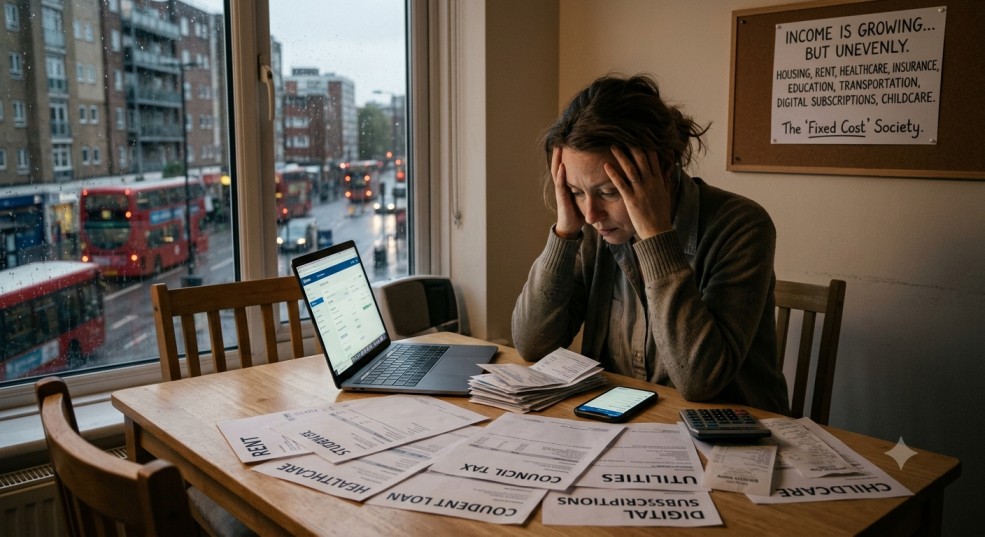
The financial difficulties facing the middle class are not caused by poor budgeting alone. Instead, several economic trends are putting increasing pressure on household finances.
Some of the biggest reasons include:
- Rising inflation
- Wage growth that hasn’t kept pace with expenses
- Expensive housing
- Growing healthcare costs
- Higher education expenses
- Consumer debt
- Job insecurity
- Wealth inequality
Each of these issues affects your financial well-being differently, but together they create a challenging economic environment for millions of families.
Inflation Is Reducing Your Purchasing Power
Inflation is one of the biggest reasons the middle class is struggling financially today.
Inflation refers to the general increase in the prices of goods and services over time. While moderate inflation is a normal part of a healthy economy, rapid inflation can significantly reduce your purchasing power.
For example, imagine you earned $60,000 per year five years ago. If your salary has increased to $65,000 today, you might assume you’re financially better off. However, if groceries, rent, transportation, insurance, and utilities have increased by more than your salary, your real purchasing power has actually declined.
This means your income buys less than it used to.
Many essential expenses have experienced substantial price increases, including:
| Everyday Expense | Why It Costs More Today |
|---|---|
| Groceries | Higher production and transportation costs |
| Fuel | Global energy market fluctuations |
| Electricity | Increased energy demand and infrastructure costs |
| Rent | Housing shortages and higher demand |
| Insurance | Rising repair and healthcare costs |
Because these are necessities rather than optional purchases, households have little choice but to absorb the higher costs.
Wage Growth Hasn’t Kept Up With Living Costs
Many workers have received salary increases over the past decade, but those raises often fail to match the rising cost of living.
This creates a situation where your paycheck grows, but your financial situation remains unchanged—or even worsens.
Economists often distinguish between nominal wages and real wages.
- Nominal wages are the dollar amount you earn.
- Real wages measure what your income can actually buy after accounting for inflation.
If your salary increases by 3% but living expenses rise by 5%, your real income has effectively decreased.
This gap explains why many middle-class families feel financially stuck despite working full-time jobs and receiving periodic raises.
Housing Costs Continue to Climb
Housing has become one of the largest financial burdens for middle-income families.
Whether you’re renting or trying to buy a home, housing costs have increased dramatically in many cities around the world.
Several factors contribute to rising housing prices:
- Limited housing supply
- Higher construction costs
- Population growth in urban areas
- Rising mortgage interest rates
- Increased demand from investors
Financial experts generally recommend spending no more than 30% of your monthly income on housing.
Today, many households spend closer to 40% or even 50% of their income just to keep a roof over their heads.
This leaves less money for savings, emergencies, education, and retirement.
Consumer Debt Is Becoming a Way of Life
Many middle-class households rely on credit simply to maintain their standard of living.
Credit cards, personal loans, auto loans, and “Buy Now, Pay Later” services have become common tools for covering everyday expenses.
While borrowing money can help during emergencies, long-term reliance on debt creates additional financial pressure.
High-interest credit card balances can quickly grow, making it difficult to pay off existing debt while managing current expenses.
Common forms of household debt include:
- Credit cards
- Car loans
- Student loans
- Personal loans
- Medical debt
- Home mortgages
The more income that goes toward debt payments, the less remains available for savings or future investments.
Job Markets Are Changing Faster Than Ever
Another reason the middle class is struggling financially is the changing nature of work itself.
Technology, automation, and artificial intelligence are transforming industries at a rapid pace.
Many traditional careers now face increased competition or automation, while companies increasingly rely on contract workers, freelancers, and temporary employees instead of offering permanent positions with long-term benefits.
As a result, you may experience:
- Less job security
- Fewer employer benefits
- Irregular income
- Limited retirement contributions
- Greater pressure to develop new skills
Although technology creates new opportunities, it also requires workers to adapt continuously throughout their careers.
Why Understanding These Challenges Matters
Recognizing why the middle class is struggling financially is the first step toward making informed decisions about your own finances. While many of these issues are driven by broader economic forces beyond your control, understanding how inflation, wage stagnation, housing costs, debt, and changing job markets affect your budget can help you plan more effectively.